Best Coast – The Only Place

Rating: ★★★★☆

Chances are, if you know anything about Best Coast, it’s that front woman Bethany Cosentino really likes cats.  Or perhaps you’ve delved into the tuneage of said cat-obsessed female and found that she also creates some pretty sunny California pop jams. Best Coast have shown they can crank out some quick paced and fun jangly pop, but can they be more than that?

Substance has never really been Best Coast’s style; their first album, Crazy For You barely passes the thirty-minute mark, with each of the thirteen songs not averaging much more than two minutes apiece. If length of songs is any indication of the changes that this band has undergone, than it’s clear that they’ve grown up a bit. The Only Place has a range of songs, but the majority reach three minutes. Even at this first glance, you can see that the second time around this group is straying from dropping into the pattern of becoming the same old same old. The first song and title track, “The Only Place” sets things off on the right foot. From the moment you press play, it’s like opening a bag of sunshine and ocean spray into your speakers. It’s classic Best Coast: we’re still having fun, we’re still hitting the beach and those guitar riffs are still surfy.

The biggest difference between this sophomore release and Crazy For You is maturity. Yes, the songs aren’t chock full with lyrics of eloquent diction and complex syntax, but Cosentino has definitely stepped it up. She has moved past the overt simplicity of songs like “Happy,” in which repetition was the song’s key lyric. On The Only Place, even on one of the shorter numbers, “My Life,” there’s still an immense amount more of actual lyrics that make sense to generate some kind of story instead of just the moody emotions of a California Girl.

Another sign of this maturity is a big push for stronger, slower songs on this album. One of my favorite numbers, “How They Want Me,” combines Cosentino rocking the ballad, with the continuation of the groovy guitar of the rest of the tracks, some interestingly detailed percussion topped with some “oohs” and “ahhs,” that layer to give this song that extra punch. It’s tracks like these and others like “Do You Still Love Me Like You Used To,” which lead me to believe in the longevity of this album. Whereas Crazy for You got a little tired a little fast, this albums packs a greater punch than just a few listens.

It’s a perfect album for the upcoming heat and freedom of summertime. So roll down your windows and savor those last few weeks of a breeze with Best Coast.

Allo Darlin – Europe

Rating: ★★★★☆

Allo Darlin are a four piece indie/twee pop band that hail from London, and if you haven’t gotten to know their dazzlingly sweet tunes, then it is time you started. Their self-titled first album was released back in 2010, but if you want to get to know the sweet and groovy tunes of this band then look no further, Europe is an excellent place to start.        

On opener “Neil Armstrong,” it’s easy to see the similiarities of Allo Darlin’ to other indie-pop legends. The vocals of Elizabeth Morris share the discreet power that Camera Obscura’s Tracyanne Campbell has perfected and the delicate guitars reminisce of that of Belle and Sebastian. Though this band is not simply a culmination of other groups, they have their own flair as well. The ukulele that is ever-present on this first song is an aspect that gives this group the playfulness that such a genre begs for. For a first track, it’s a pretty good representation of this band’s style; gentle pop that still manages to bubble in sunshine.

Later on, you have an even softer, but no less equally delightful tune in “Tallulah,” where Elizabeth Morris and her uke step away from things. The result is a plain and simple tasty song, whose simplicity is what makes it as Morris sings a tale of a summer past. Sure, you’re missing the other jangling elements that Allo Darlin’ have become masters of, but it’s a lovely little break from the bright pop and a side trip to a more grounded sound. It’s a good reminder that this band can do a little more than all sunshine all the time.

However, it’s clear that what this band does best is easily music that bathes you in light. On the very next song after “Talulah,” they jump right back into their warmth with “The Letter.” The guitar feels further up in the mix of things on this song, at times dueling with Morris’ vocals for the lead of the song. Meanwhile the drums roll steady on, with the prominent cymbal crash to complete the overall bright atmosphere. That being said, Allo Darlin’ isn’t that easily pegged with the label of cheery pop songs. No, if you listen to the intricate lyrics that Morris spouts out, you’ll find that not all that she has to say matches the surface level observation of peppy.

Like the bands aforementioned, and essentially any band that is really worth listening to, there is more to be found here than can be acquired on first listen. After some time spent traveling around Europe, you’ll find that it was worth the trip.

Whitman – Weekends

Rating: ★★★½☆

It’s been quite a while since locals Whitman put out their debut album, Torch Songs. Since then their style hasn’t really changed too much; they’ve maintained a classic alternative sound while not getting too serious. Weekends is no exception to this style, delivering quality tunes that fall easy on the ears.

The album creeps out slowly, with Ram Vela’s vocals whispering through layers of echoes and atmospheric sounds on “Technicolor Blues.” It’s as though the band is feeling its way into your ears, analyzing the space that they are going to fill before they really kick into things. This kicks comes in the last forty or so seconds before the first song has met its completion. At this point, it’s clear that Whitman has woken up, and continues to pick up the pace on the second song, “NW Thurman.” Jumping right into things, Vela’s Ted Leo-esque raspy chords leads you right along, bounding atop bouncing piano and some “Ooh la la’s” in the background. Immediately on this track, there is that ‘good times’ mentality that this band perfects. It’s the perfect kind of song to bob your head easily along to and perhaps dance a little if you’re feeling up to it—it doesn’t demand anything.

This easy rock-n-roll continues through the duration of the album, exploring highs and lows, crazy times and falling-outs. “Barstools” comes across as a bitter recollection of a friendship gone astray. As Vela sings honestly that he would “rather be falling off barstools than hanging with you,” the electric guitar growls, the cymbals crash violently, and some synth all rage along with him, and it feels as though the song consists entirely for the purpose of driving this hated friend away, making sure he knows he isn’t welcome anymore.  Later on, Whitman slows things down a bit on “Manchester-By-The-Sea,” whose soft nature serves as a nice little meander from the consistent full-tilt pace. This song relies on a gentler strumming of acoustic guitar and instrumentals that stray from the buzz of before and we see a more delicate Whitman. The album finishes up with “Day Drink Part 1” and “Day Drink Part 2” which brings things back up before it reaches its conclusion.

Weekends is exactly what its name entails: relaxation. There simply isn’t a song on here that requires more than a good attitude to enjoy. With the weather warming up around here, count on this album to be perfect for blasting out of your open car windows.

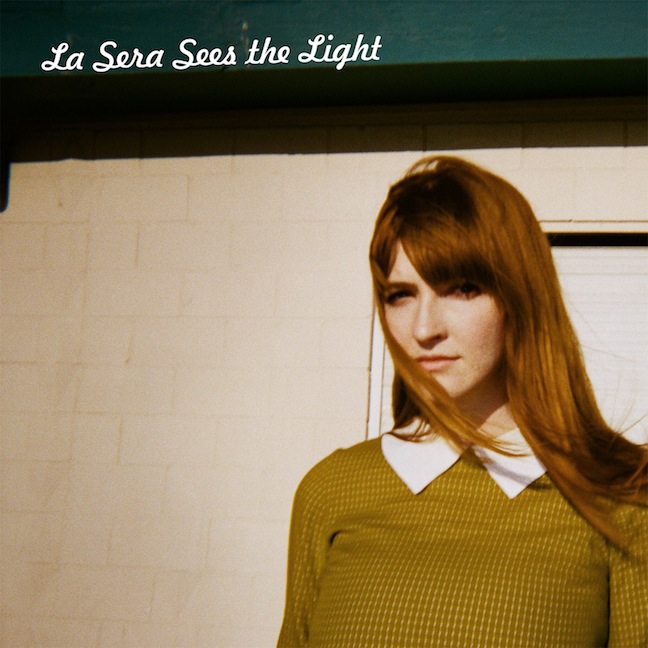
La Sera – Sees the Light

Rating: ★★★★☆

In 2011, Katy Goodman stepped away from the Vivian Girls and made her first record under this new moniker. That album was the essence of a dream, with echoes upon echoes of vocals layered on ethereal pop instrumental in the background. A lot must have changed since then; relationships broken, new attitudes adopted, and an overall new sound for La Sera on Sees the Light, a sound which goes in a bold, good, direction.

From the very start of the album you can pick up on the new changes for the band. If it’s any indication of a change, the first track on the self titled release of last year was “Beating Heart,” whereas Sees the Light begins with “Love That’s Gone,” and we have the new, bitter and resolved Katy Goodman. Instantly you can hear this change in the music: the dreamy washes of echo on the vocals are gone, the drums are more centralized, giving a real and solid feel to the song. It’s as if the honeymoon period of dreams is over and what’s left is a woman scorned, trying to move away from the gay melodies of yesterday.

After the first song gets things going on Sees the Light, the second song, “Please Be My Third Eye,” takes it up a notch, increasing the pace and the level of intensity; the drums are always pushing, the guitars are guttural, and Goodman commands the song, pushing it around to show her strength. This strength continues on through the next few songs, and then enters into a more reserved state on “It’s Over Now,” which is the first real breakdown on the album. The placement of this slower, more morose song this far along into the progression of tracks helps to convey some emotion that is perhaps lost on the faster songs; Goodman doesn’t ignore the pain completely, she just channels it in different ways.

Essentially, it’s a break-up album, but whereas most of those tend to linger on the whiny, sorrow-filled, my heart was broken-listen-to-me cry-about-it, songs, La Sera focuses on channeling this sorrow into faster paced, bolder, and overall stronger pop tunes. It’s not a step to weakness, but rather a step away from it, and a focus on the strength that has always lied behind those spunky, girlish vocals. The emergence of this lingering power is what separate Sees the Light from the previous album and allows it to stand as a cohesive album as opposed to a series of cute songs strung together.

[audio:https://austintownhall.com/wp-content/uploads/2012/02/La_Sera_-_Break_My_Heart.mp3]

Download: La Sera – Break My Heart [MP3]

The Shins – Port of Morrow

Rating: ★★★★☆

If you seriously still don’t know who The Shins are and call yourself a person interested in music I would have to call you a liar! Well, not exactly, but if you’ve been anywhere close to the indie scene since the turn of the 21st century, you should recognize James Mercer’s usually scruffy face as the front man of this band. Whether you’ve known about it or not, the Shins made indie pop classic, releasing three albums that gained them a cult following that has been dying for some new tunes since their five year hiatus. With such a long period between the last release, you walk a tightrope. Stay with what you know and be labeled boring, or move into sacred, fragile new ground and run the risk of not sounding like yourself?

Yes, it’s the fourth album from the The Shins, but it feels the most youthful with respect to energy. Mercer’s voice is louder; it’s in your face, whereas it used to blend so tightly with the guitars. The guitars are more active, exploring twists and there’s an element of jangly that you just can’t really find on prior releases. Take songs like opener “The Rifle’s Spiral,” the single “Simple Song,” and “No Way Down” as testaments to this heightened energy. Each one explores a new and different level of bursting brightness. “The Rifle’s Spiral” gives you layer upon layer of guitar hooks and tinkling high notes embedded into the synth noise. “Simple Song” goes for the prominence of Mercer’s voice that commands the song as it moves through at its confident and collected pace that is expected of this band. “No Way Down” explores a faster pace, with less synth noises and a reliance on sharp-witted lyrics as its champion. All of these songs explore the old Shins style in an updated and fresher filter.

But it’s not all sunshine and daises—there are slower, subdued moments. For me, I feel nods of nostalgia for the older albums of this band on a song like “September,” whose simplicity is well placed and crafted amidst a sharper than expected grouping of songs on the primary half of the album. Another slower number, but by no means boring track is “Port of Morrow,” on which a falsetto’d Mercer leads you twisting through the tale he has crafted.

And in the end, Port of Morrow is a tightrope walked fairly well. Mercer doesn’t fall into the pressures of being anything he is not, he just pulls more quirky yet insightful material from his past and weaves them together with a brighter overall tone, which may stir mixed feelings from past fans and newcomers. It’s unfair to expect “New Slang” Shins after all this time; things have changed. However, you can still expect a relevant and resounding collection of classic indie pop tunes on this album.

Frankie Rose – Interstellar

Rating: ★★★★½

Not too long ago, Frankie Rose brought you her first debut solo album under the moniker Frankie Rose and the Outs. It was an album filled to the brim with ethereal jangly pop weighed down by the dark, whispery vocals of Frankie herself. It’s been a year or two since this self-titled album and now she’s back with a second solo effort.  In that time it seems that Frankie decided The Outs were ‘out’ and that she would go for the sophomore completely on her own. In this choice, she shows but a shadow of the new step of confidence that comes on Interstellar.

If you take a look at the cover of this album, you’ll find that it matches the name of the album, as well as the new direction of sound that it takes: dark, groovy, psychedelic. The album opens with the title track, with waves of synth floating in, crafting a space-y, outer galaxy feel. Frankie wafts in after, her voice as whispery as before, but by no means meek and she only gets a few soft words in before the song picks up. This energy picks up where the last album left off, showing that Frankie intends to go farther than she had before. There’s a new ferocity that seems to be egged on by the extra layer of synthesized atmospheric noise.

Said energy continues to the second track, “Know Me,” whose guitars seem to be swirling everywhere at once, backed with the energetic drumbeats that keep the song at its frantic, yet ever controlled pace. It’s controlled chaos; so many elements combining in a three-minute treat that will have you grooving right along. “Gospel/Grace” gives you some deeper, rolling beats that change the pace a bit but keeps the driving energy that is ever-present on Interstellar. This energy is what sets this album above the previous and what keeps it moving all the way to the end.

Frankie pushes her way through ten tracks in what feels like no time at all. She keeps you entertained all the way through; there isn’t a lull in energy, as the middle numbers don’t dissipate from the enticing qualities that make the beginning of this album so good. Even on the last track, “The Fall,” which lacks percussion in general, you still have the ethereal power that hangs behind Interstellar, transfixing you to start all over again, relishing in the dreamy, supernatural, atmospheric pop that is so piercing to the ear.

[audio:https://austintownhall.com/wp-content/uploads/2012/01/02_Know_Me.mp3]

Download: Frankie Rose – Know Me [MP3]

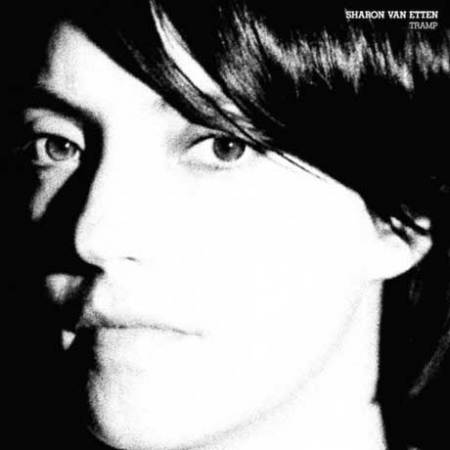
Sharon Van Etten – Tramp

Rating: ★★★★☆

“We’re alright, we’re alright” sweeping over a slow moving beat and creeping along with wailing guitars screams as the farthest thing from being actually alright. Accompanied by Zach Condon of Beirut, “We Are Fine,” the eighth track on Tramp comes across as a bold statement of purpose for this album and Sharon Van Etten’s style itself—pushing through while exploring the emotional turmoil that perhaps plagues this songstress and perhaps plagues us all at some point or another. Tramp is yet another staple of this exploration for Van Etten, whose raspy voice is power, often made grim by the words that are carried by it, and haunting in itself.

The album begins at “Warsaw,” which is by far the most jangly/garage rock number on this release. Squalling guitar brings you in at its crawling pace, and then Van Etten’s voice makes its first appearance. Juxtaposed against the raw instruments, the vocals appear at their sweetest here and it isn’t until the next song that you can really grasp the true force behind them. Second up is “Give Out,” on which the focus is transferred to the voice that sails above the guitar and minimalist percussion, and is yet tethered to the music by its deep resonant force. When Van Etten belts “you’re the reason why I’ll move to the city,” she reaches a sinisterly arching, skin crawling tone that oozes strength amidst destruction.

After this powerful track, “Serpents,” the lead single from Tramp gets its bitter say in its own chilling notes. More prominent percussion and borderline angry vocals command this song, driving it into corners and then letting it all go. Here is where essentially my only qualm with this record can be found: song placement. The first three songs are all brilliant and supremely gripping in their strength and boldness, and then the fourth song immediately drops from outward reflection to inward contemplation. All of the caustic and edginess is lost and Van Etten turns to a softer, more acoustic sound, which carries through the middle portion of the album and may have some differing reactions by listeners. Some may find this breakdown alluring in its real nature, and others may find it weak.

She does not end on a meek note, however, and brings back the power on songs aforementioned like “We Are Fine,” that stretch the vocals to boil and “Magic Chords,” which strikes the same fancy as the first few tracks on Tramp. It is a devastatingly beautiful number, and the same can be said for the whole album. You are transfigured by the sorrow found in Van Etten’s voice, and held down by its overwhelming strength.

[audio:https://austintownhall.com/wp-content/uploads/2011/11/Sharon_Van_Etten_-_Serpents.mp3]

Download:Sharon Van Etten – Serpents [MP3]

Hospitality – s/t

Rating: ★★★★☆

January has come and gone, and there have been some decent releases of the New Year already, but as for classic indie-pop, this is by far the most playful album yet. You have all the elements that tend to work for indie; the whimsical yet grounded tone, the combination of slow beats that still manage to grab your attention, and of course the fast past and downright fun numbers. Hospitality, a three part, but by no means a small part band, brings it to you hard on this self-titled debut.

For starters, there isn’t really a bad song on this album. When you listen to it, from start to finish, every twist and turn will have you anticipating the next corner, the next direction you’re heading. Take “Friends of Friends,” the second song and single for the album, is all about the build to this fun climax of poppy goodness. You begin with a simple guitar line, guttural and garage-y, add in the percussive odds and ends, and finally layer Amber Papini’s sassy and earnest vocals over the top and you get this song that just crawls along at its own beat; it feels like a series of images strung together in a montage. Then, on the very next song, you get a smoothly blended sound in “Betty Wang.” The acoustic strumming and Papini’s never ending lyrics that run together and

But the treats don’t just come early on Hospitality; this Brooklyn trio keeps their hold on you to the very end, throwing in monumental tracks like “Argonauts.” The longest song on the album, at a little over five minutes, pushes together the success of the two songs I’ve already mentioned, bringing you a cohesive, yet piece-y number that relies on the jangly percussion to be its backbone. And if that is the backbone, then the vocals are the highlights. Here, Papini is backed by some male vocals that juxtapose with her delicate playfulness and keep it from soaring too whimsically. Grounded, this song explores a melancholy tone that can be found buried beneath the layers of fun that runs through the work.

What keeps these excellent songs from running together, and what keeps the rest of the songs from running together for Hospitality is the variation in length of tracks as well as their style. Not only do you have creative and exciting songs, they are given their best opportunity to shine amidst their album mates—and isn’t that what every album should long to be?

[audio:https://austintownhall.com/wp-content/uploads/2011/09/Hospitality-Friends-Of-Friends.mp3]

Download: Hospitality – Friends Of Friends [MP3]

Laura Gibson – La Grande

Rating: ★★★½☆

The folk soundings of Laura Gibson are marked by a variety of sounds. While the words simple yet elegant seem fitting to describe such an artist, I think intricate and raw also have their place in the description of La Grande. However, through all of this soft and roughness, Gibson’s sugary vocals remain constant, serving as the syrup to run between the sounds. In its folk genre, this album seems to go a lot of places and somehow stay in one place.

Strewn through La Grande are various instances of gentle serenity, which seems to be the bigger of the two paths that this album takes. You have moments of subtle beauty apart from the obvious pretty voice of Gibson of herself and the accompanying, soft acoustic guitar. On the second song, “Milk-Heavy, Pollen-Eyed,” these subtleties culminate to produce a solid, slow moving gem; the quiet xylophone, Gibson’s meek voice meandering through the song, the bare minimum percussive elements make the track feel a little sleepy, and yet ever enjoyable. Another instance of this chill folksy combination is on the later track, “Crow/Swallow” in which Gibson croons simply over some guitar plucking, which makes for a calming listen.

On the rowdier side of things are songs like opener and title track “La Grande,” on which the emphasized percussion reminds me a bit of The Dodos; the very base of the song is the constant, stomper of a beat. Of course, Gibson’s vocals prove a start contrast to the deep drums that resound deeply towards the end of the song, giving it that edge to avoid the song turning into a mess of beats and dulcet tones. Another song that rides the rowdier waves in a stronger percussive sense is my personal favorite, “Skin, Warming Skin.” On this track, you’ll find the build to a climax that is lacking in places elsewhere on the album. Gibson’s voice contrasts with the likes of drawn out guitar sound and eerie backing “oohs.” It’s easily the most interesting song on here.

Overall, this album isn’t entirely overwhelming, but it will present you with moments that can overwhelm you. Sure, you will have some instances in which you are even underwhelmed a tad, but the music is presented in many forms and Gibson leaves it up to you to discern your favorite—the simple combination of honeyed vocals and guitar plucking explored in a slightly new light in some instances and shining in the same glow in others.

Cate Le Bon – CYRK

Rating: ★★★★☆

It’s possible that you haven’t yet heard of any work from Cate Le Bon, nor even heard of her, for that matter, as this is only her sophomore effort from her and her backing band. Some things you should know before we proceed: Yes that is a Welsh accent. Yes, Le Bon’s debut EP was a Welsh language release. Yes, her voice is exquisitely interesting. No, it is not the only thing worth talking about on CYRK.

Le Bon wastes no time what-so-ever in jumping straight into the jams. Forget intro tracks or minute long build-ups, “Falcon-Eyed” is everything, all at once without so much as a few seconds notice. It is roaring first track, quick and snappy in nature, filled with Le Bon’s swirling vocals, paired with racing drum beats and jangling, fast paced guitars. It comes across as one of the most ‘rock’ songs on this album, when viewed along with the others, and it leaves you thirsty for more when the two minutes and forty-nine seconds comes to a close.

Although the Speed Racer pace isn’t held for the next song, the slower, cooled “Puts Me To Work,” highlights the vocals as well as the instrumentation, while setting a more appropriate pace for the rest of the album. The smooth vocals combine with twang-y guitars to bring each element to a happy medium, while the drums and keys fill in the spaces. This continues to the title track, which spirals and twirls in an eerie fashion along to a methodic beat, which essentially carries through for the duration of the album; it’s easy to find yourself twirling along with Le Bon, lost in her ironically dreary lyrics in respect to her airy vocals.

Sure, the first thing that you will notice upon listening to CYRK is the vocals. When Le Bon strikes the opening notes, you are instantly drawn into whatever she is singing; her eerily bleak voice carrying the rhythm resides in the background. I mean, on first listen, you could really care less what is going on behind that enigma of sound. You are so focused on the oddly tender yet fierce voice that it’s easy to let the rest of the music just sort of fade away in your entranced state. While it is easy, and also sort of the point of this release, to be daunted by Cate Le Bon, give this album two listens; one to marvel at the vocals and another to appreciate the instruments backing them. What you’ll find is something darker than the whimsical vocals convey on the surface level, something distorted and fanciful, akin to the title’s translation of “circus posters.”

1 108 109 110 111 112 119
Social Media Auto Publish Powered By : XYZScripts.com